Catégorie : Safety & Regulatory
Informations sur les émulsifiants alimentaires : applications, fonctions et avantages pour améliorer la stabilité, la texture et la qualité dans tous les secteurs.
Browse by Topics
In the fast-evolving world of food science, the Safety & Regulatory category serves as a critical compass for formulators and manufacturers navigating the complex landscape of emulsifiers like Polysorbate 60 and Polysorbate 80. These non-ionic surfactants, essential for stabilizing emulsions in everything from baked goods to pharmaceuticals, must meet stringent global standards to ensure consumer safety, environmental compliance, and market viability. As “clean label” demands rise, understanding regulatory frameworks—such as FDA GRAS classifications, EFSA approvals, and JECFA ADI limits—helps mitigate risks while fostering innovation in product development.
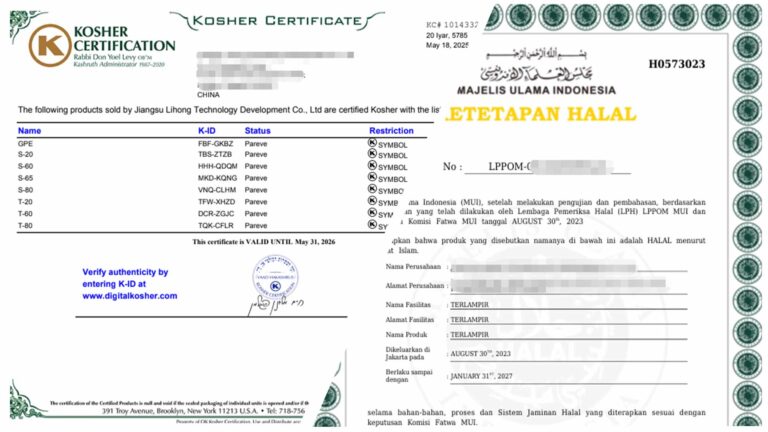
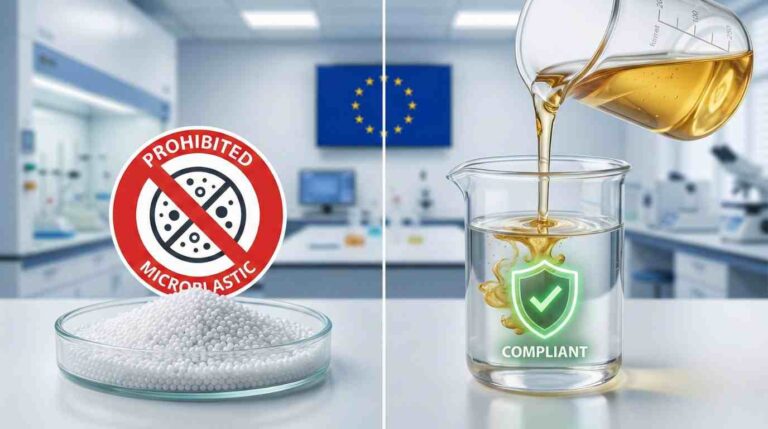
This category delves into the core technical aspects of emulsifier safety, drawing from authoritative analyses of Polysorbate 60’s toxicological profile, including minimal side effects, non-carcinogenic nature, and management of impurities like ethylene oxide and 1,4-dioxane through rigorous purification (e.g., vacuum distillation to below 1-10 ppm thresholds). It addresses pressing concerns, such as whether Polysorbates qualify as microplastics under EU REACH regulations (EU 2023/2055), clarifying their exemption due to high water solubility, liquid or semi-solid forms, and biodegradability into natural components like sorbitol and fatty acids. For dietary compliance, detailed guides cover Polysorbate 80’s kosher verification, highlighting risks from animal-derived oleic acid, shared processing equipment, and Passover-specific challenges (e.g., kitniyot avoidance), alongside vegan and halal suitability via plant-based sourcing.
These insights empower food manufacturers to procure compliant ingredients with COAs and certifications (OU, OK, Star-K), adhere to application limits (e.g., 0.3-0.46% in dressings and cakes), and avoid costly recalls or labeling errors. By prioritizing REACH compliance and kosher audits, formulators build consumer trust and streamline supply chains. Explore the detailed guides below to safeguard your formulations with precision.