Overview
-
Chemical IdentityPolysorbate 81, Polyoxyethylene (5) Sorbitan Monooleate, PEG-5 Sorbitan Oleate. CAS 9005-65-6.
-
Chemical NatureNonionic surfactant based on ethoxylated oleic acid esters of sorbitol and sorbitol anhydrides, with approximately five ethylene oxide units on average.
-
Appearance & PropertiesAmber to yellowish oily liquid | Typical HLB: 10.0
-
★ Primary Application (Industrial Emulsification)Intermediate-HLB Emulsification. Polysorbate 81 provides interfacial activity in oil–water systems and can be evaluated as an emulsifier or co-emulsifier in industrial formulations, including selected metalworking fluids, cleaning products and textile auxiliaries.
-
Oil & Water CompatibilityDispersible in water and compatible with various oil phases. Its relatively low ethoxylation level gives it greater lipophilic character than Polysorbate 80. Solubility and phase behavior depend on formulation composition and temperature.
-
Key FunctionsEmulsification, Co-Emulsification, Wetting, Dispersion & Interfacial Modification.


KOSHER CERTIFICATION

HALAL CERTIFICATION

Quality Certified

ISO 9001

Molecular Structure
-
Structural Components● Hydrophilic Segment: Polyoxyethylene chains containing approximately five ethylene oxide units in total, on average, providing moderate affinity for aqueous phases.● Hydrophobic Moiety: Predominantly oleic acid-derived ester groups. The representative monooleate structure contains a C18:1 unsaturated fatty acid chain that contributes affinity for oil phases.● Backbone: Sorbitol-derived and anhydrosorbitol-derived structures connect the fatty acid ester groups with the polyoxyethylene segments.
-
★ Mechanism of ActionInterfacial Emulsification. The amphiphilic molecular structure allows Polysorbate 81 to adsorb at oil–water interfaces and reduce interfacial tension. Its intermediate HLB value can be useful when adjusting the hydrophilic–lipophilic balance of an emulsifier blend. Emulsion type and stability depend on the oil phase, co-surfactants, concentration and processing conditions.
Structural Note: Commercial Polysorbate 81 is a mixture of related ethoxylated fatty acid esters. The molecular illustration represents an idealized structure rather than the exact composition of every molecule.
Specifications
Product Characteristics
Polysorbate 81 is an amber to yellowish oily nonionic surfactant with a typical HLB value of approximately 10.0. Its relatively low degree of ethoxylation gives it greater affinity for oil phases than Polysorbate 80. It is dispersible in water and can be evaluated for emulsification and wetting applications where an intermediate HLB is required.
Specification Reference
The technical parameters below are intended for preliminary product evaluation. Final acceptance criteria, test methods and batch-specific results should be confirmed using the supplier’s Technical Data Sheet (TDS) and Certificate of Analysis (COA).
| Test Parameter | Unit | Minimum | Maximum |
|---|---|---|---|
| HLB value | —— | 10.0 | |
| Saponification Value | mgKOH/g | 95 | 105 |
| Hydroxyl Value | mgKOH/g | 135 | 165 |
| Acid Value | mgKOH/g | - | 2 |
| Moisture Content | % | - | 3 |
| HLB | —— | 15.0 | |
Applications
-
Metalworking FluidsPolysorbate 81 can be evaluated as an emulsifier or co-emulsifier in selected oil-in-water metalworking fluid formulations. It may assist in dispersing oil components during concentrate dilution. Emulsion stability, corrosion protection, foam behavior and machining performance require testing of the complete formulation.
-
Textile & Leather AuxiliariesMay be used as a wetting, dispersing or emulsifying component in selected textile and leather processing formulations. Its suitability for fiber lubrication, antistatic performance or processing stability should be established through application-specific trials.
-
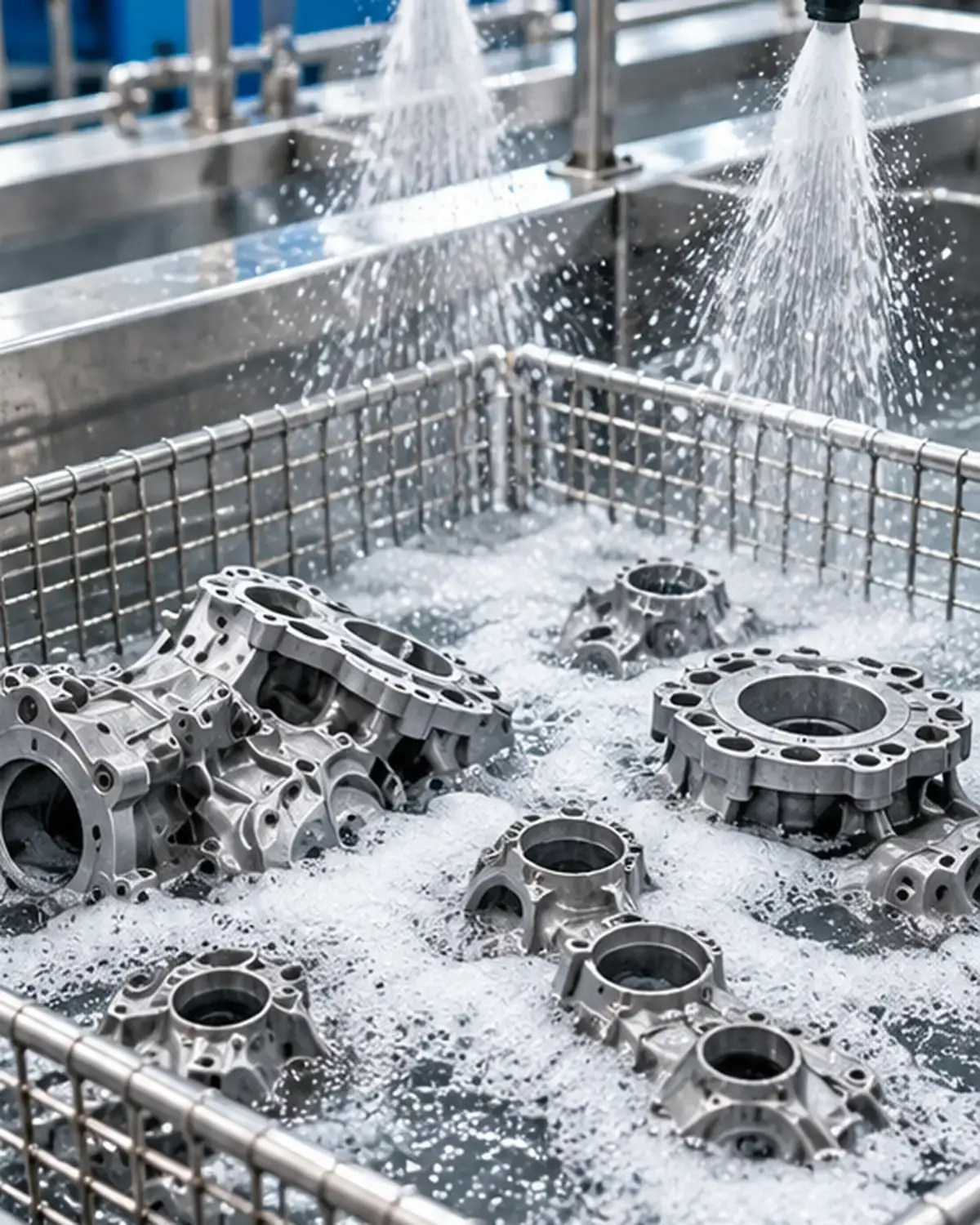
Industrial Cleaning FormulationsCan contribute to the emulsification and dispersion of oily soils in compatible industrial cleaning systems. Cleaning efficiency depends on the solvent system, surfactant blend, temperature, water quality and the nature of the contamination.
-
Agrochemical FormulationsMay serve as an emulsifying or dispersing component in certain agrochemical formulations, subject to compatibility testing and applicable regulations. Concentrate stability, dilution behavior and ingredient compatibility must be assessed for the intended product.
-
Emulsifier Blends & Specialty FormulationsPolysorbate 81 can be combined with compatible nonionic surfactants, including sorbitan esters, to adjust the overall HLB of an emulsifier system. The optimal blend ratio depends on the required HLB of the oil phase and the intended processing conditions.
-
★ Application & Regulatory ConsiderationsIndustrial Grade Evaluation. Application performance should be confirmed through laboratory testing under representative conditions. Regulatory eligibility, environmental requirements and safety precautions depend on the intended industry, jurisdiction and finished formulation. Polysorbate 81 should not be represented as food additive E433 without evidence of compliance with the applicable Polysorbate 80 specification.
Intermediate HLB (10.0) Balance
Provides an intermediate hydrophilic–lipophilic balance for selected emulsification and dispersion systems.
Oil-in-Water Emulsification
Can support oil-in-water emulsification in compatible formulations, depending on oil-phase composition and processing conditions.
Flexible Emulsifier Blending
Can be combined with compatible low- or high-HLB surfactants to adjust the overall emulsification balance.
Industrial Formulation Support
Suitable for evaluation in selected metalworking fluids, cleaning formulations and specialty industrial emulsions.

Storage & Package
-
Storage ConditionsStore Polysorbate 81 in a cool, dry, and well-ventilated area, away from direct sunlight, excessive heat, and incompatible materials. Keep containers tightly sealed to minimize moisture exposure, oxidation, and contamination. Follow the supplier’s recommended storage temperature and shelf-life conditions.
-
TransportationTransport in securely sealed, chemical-compatible containers to prevent leakage, contamination, or packaging damage. Protect the product from excessive heat and unsuitable handling conditions. Verify shipping classification against the current Safety Data Sheet (SDS) and applicable transport regulations.
-
Standard PackagingPolysorbate 81 (Tween 81) is supplied in securely sealed, chemical-compatible containers suitable for viscous liquid surfactants. Depending on product grade and supplier availability, packaging options may include:
- 25 kg — PE Drum
- 200 kg — Drum
- 1000 kg — IBC Tote
-
★ Packaging & Shipping InformationConfirm Before Ordering. Packaging availability, net weight, storage recommendations, and shipping requirements may vary by supplier and product grade. Please contact us for current packaging options, Technical Data Sheet (TDS), Safety Data Sheet (SDS), and shipment details.

25 Kg /drum

200kg/drum