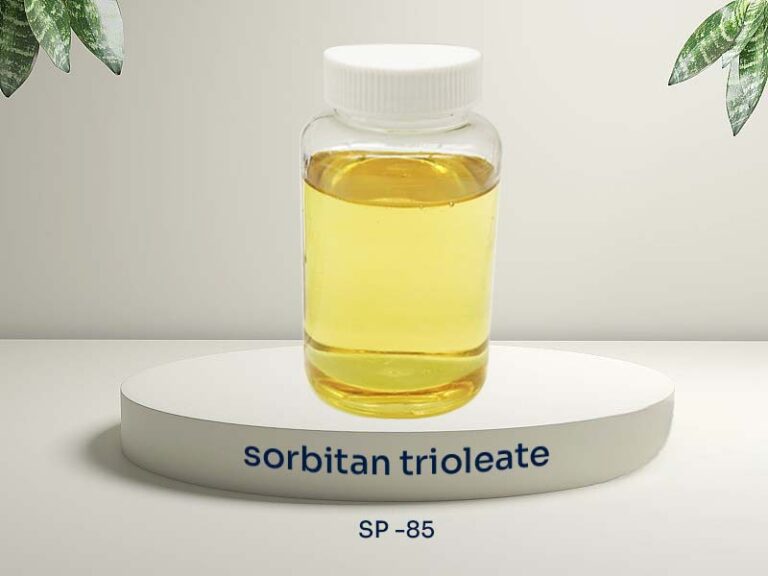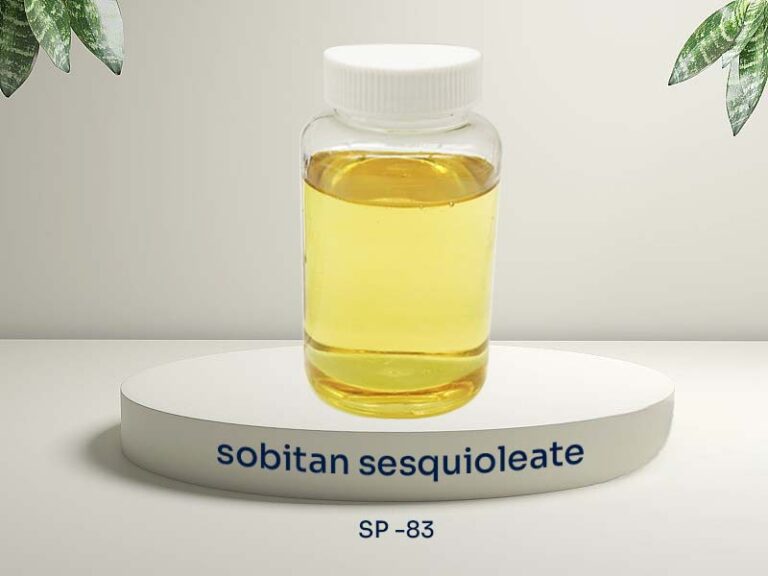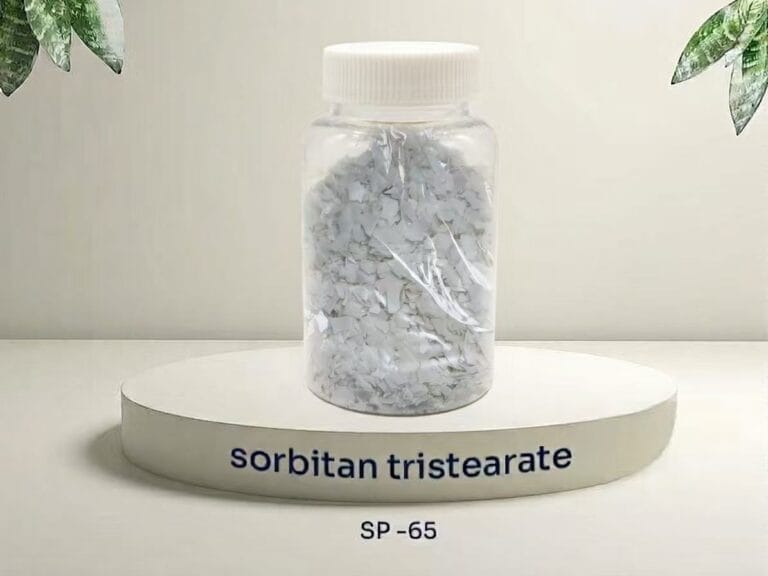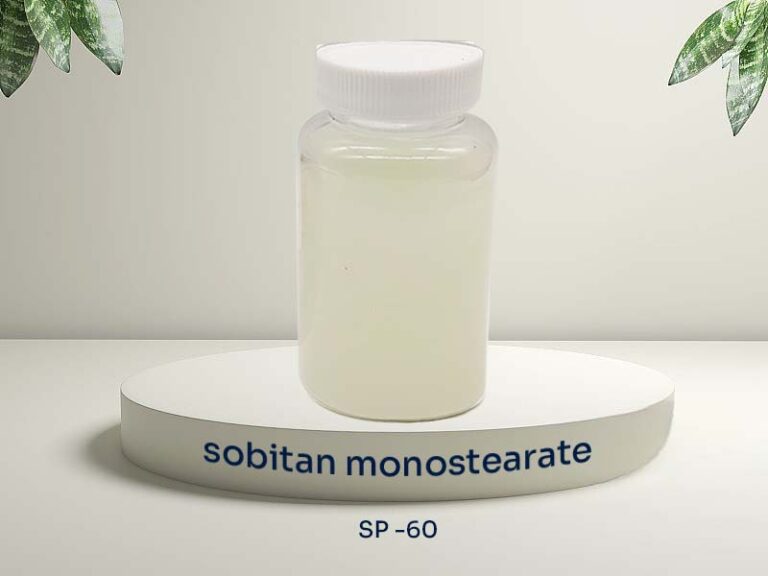
Overview
-
Chemical IdentitySorbitan Monooleate (E494 / INS 494), CAS 1338-43-8, Span 80. A nonionic food emulsifier produced from sorbitol-derived polyols and edible oleic acid.
-
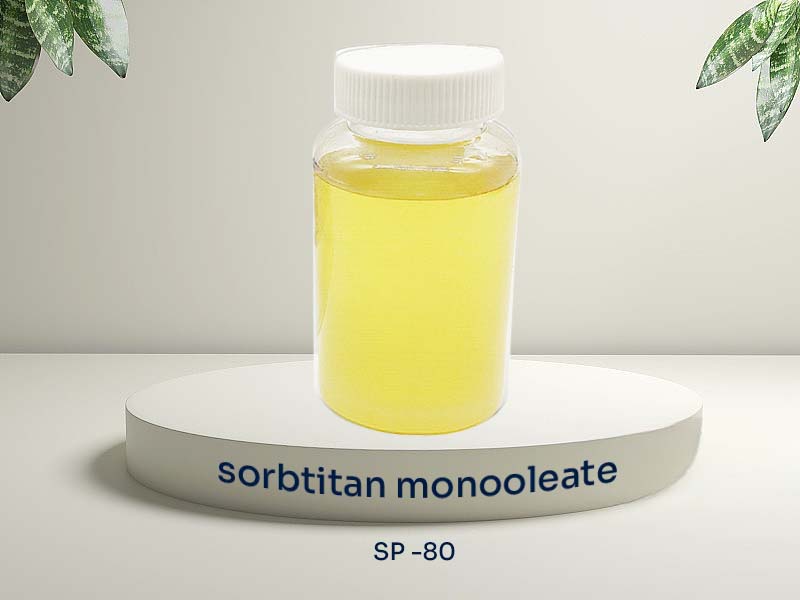
Appearance & PropertiesPale yellow to amber viscous oily liquid | Typical HLB: 4.3
-
★ Primary Application (Food Emulsification)Water-in-Oil Emulsification. Sorbitan Monooleate is a lipophilic emulsifier suitable for evaluation in fat-continuous food systems. Its low HLB value supports interfacial stabilization in selected water-in-oil emulsions and compatible emulsifier blends.
-
Solubility & HandlingInsoluble in cold water but dispersible under suitable mixing conditions. Its liquid form allows convenient pumping, pouring and incorporation into compatible oil-rich formulations.
-
Key FunctionsW/O Emulsification, Co-Emulsification, Interfacial Stabilization & Fat-Phase Compatibility.

KOSHER CERTIFICATION

HALAL CERTIFICATION

Quality Certified

ISO 9001
Molecular Structure
-
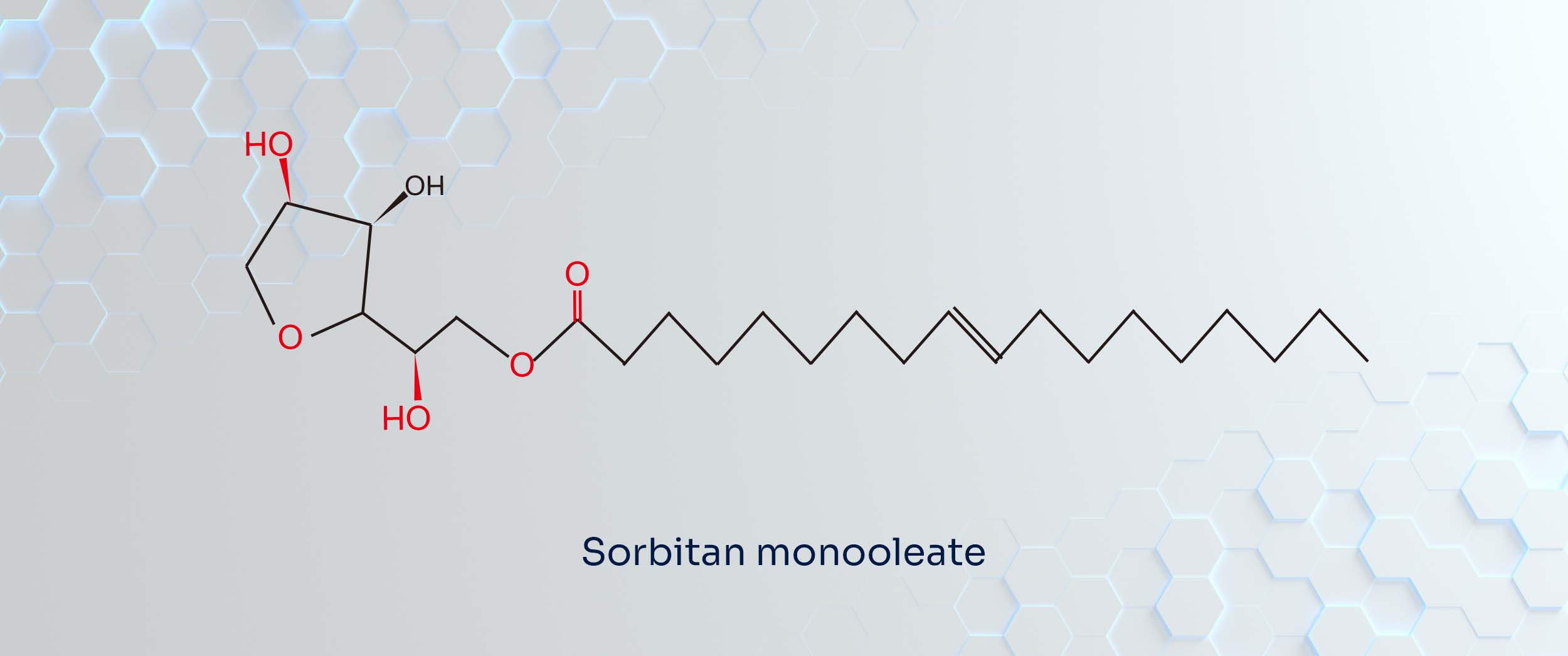
Structural Components● Hydrophilic Backbone: Sorbitol-derived and anhydrosorbitol-derived structures containing residual hydroxyl groups that contribute to polar interactions.● Hydrophobic Moiety: Oleic acid-derived C18:1 unsaturated fatty acid chains attached through ester linkages, providing affinity for oil and fat phases.● Commercial Composition: A mixture of related partial esters rather than a single pure molecular species.
-
★ Mechanism of ActionLipophilic Interfacial Activity. The oleate-rich structure interacts with oil phases while residual hydroxyl groups provide limited hydrophilic character. This amphiphilic balance enables Sorbitan Monooleate to function as a low-HLB emulsifier and co-emulsifier in compatible formulations. The unsaturated oleate chains also contribute to its characteristic liquid behavior.
Structural Note: The illustration represents a typical sorbitan monooleate molecule. Commercial E494 consists of a mixture of partial esters of sorbitol and its anhydrides with edible oleic acid.
Specifications
| Test Item | Unit | Minimum Value | Maximum Value |
|---|---|---|---|
| Saponification Value | mgKOH/g | 145 | 160 |
| Hydroxyl Value | mgKOH/g | 193 | 210 |
| Acid Value | mgKOH/g | — | 8 |
| Moisture | % | — | 2 |
| Fatty Acids | w% | 73 | 77 |
| Polyol | w% | 28 | 32 |
| Phosphorus | mg/kg | — | 3 |
| Lead | mg/kg | — | 2 |
Specification limits per GB 29221-2012, the Chinese national food safety standard for food additive sorbitan monooleate (Span 80). FCC and JECFA limits differ slightly; ask if your market requires the comparison.
Applications
-
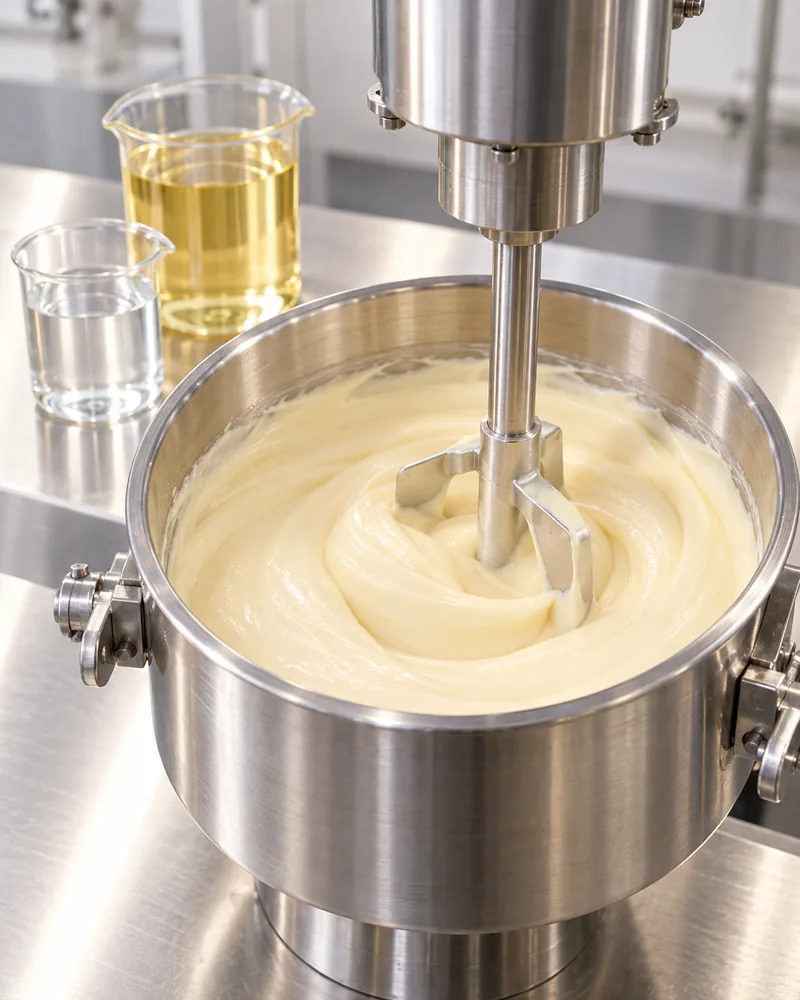
Margarine & Fat-Continuous EmulsionsSorbitan Monooleate can be used as a lipophilic emulsifying component in permitted margarine, fat spreads and related water-in-oil formulations. Its low HLB value supports interfacial activity in fat-continuous systems, while final emulsion stability depends on the overall formulation and processing conditions.
-
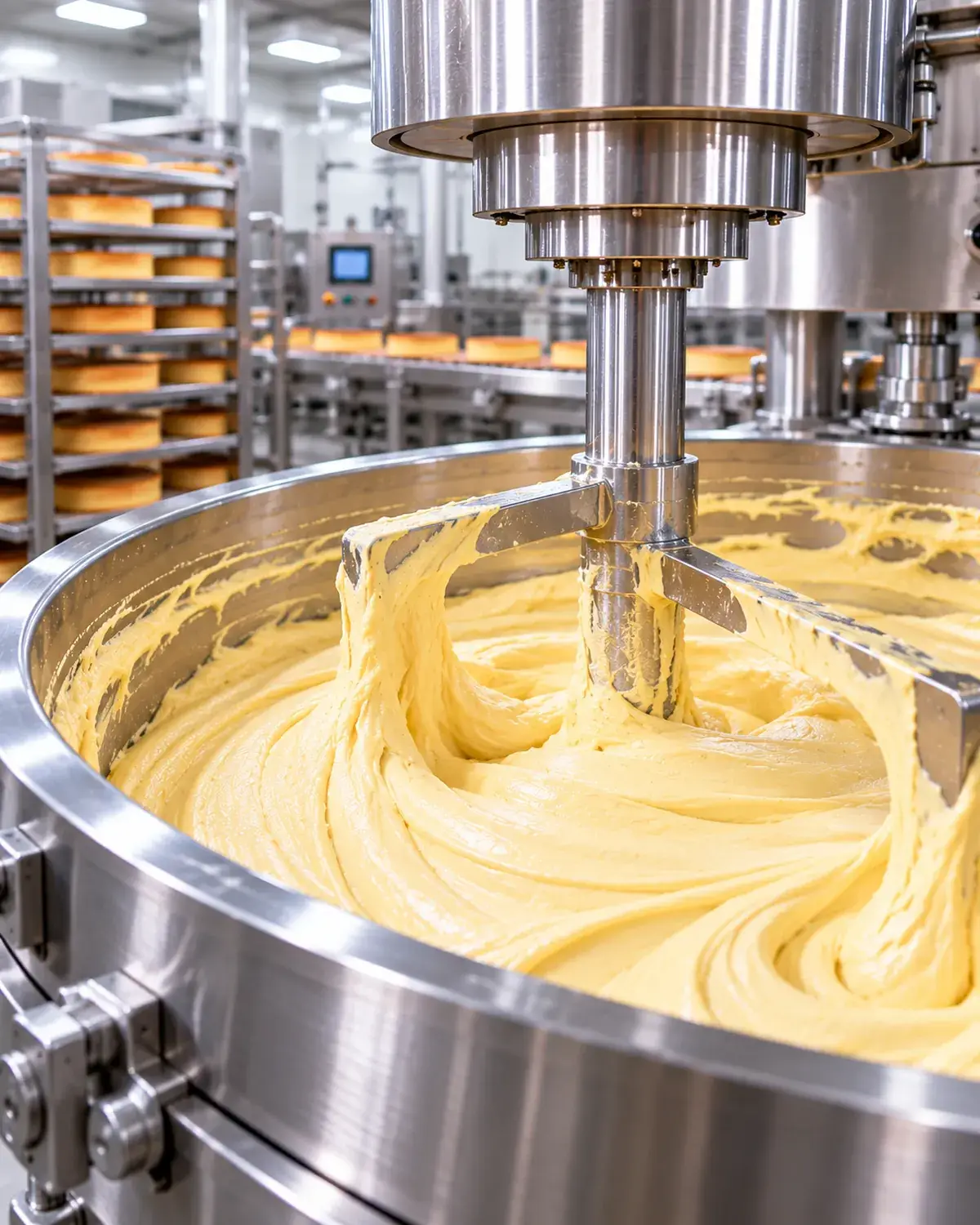
Bakery & Cake Emulsifier SystemsMay serve as a co-emulsifier in selected bakery ingredients, cake emulsifier blends and fat-containing premixes. Its contribution to fat dispersion, batter characteristics and finished-product texture should be evaluated through formulation trials.
-
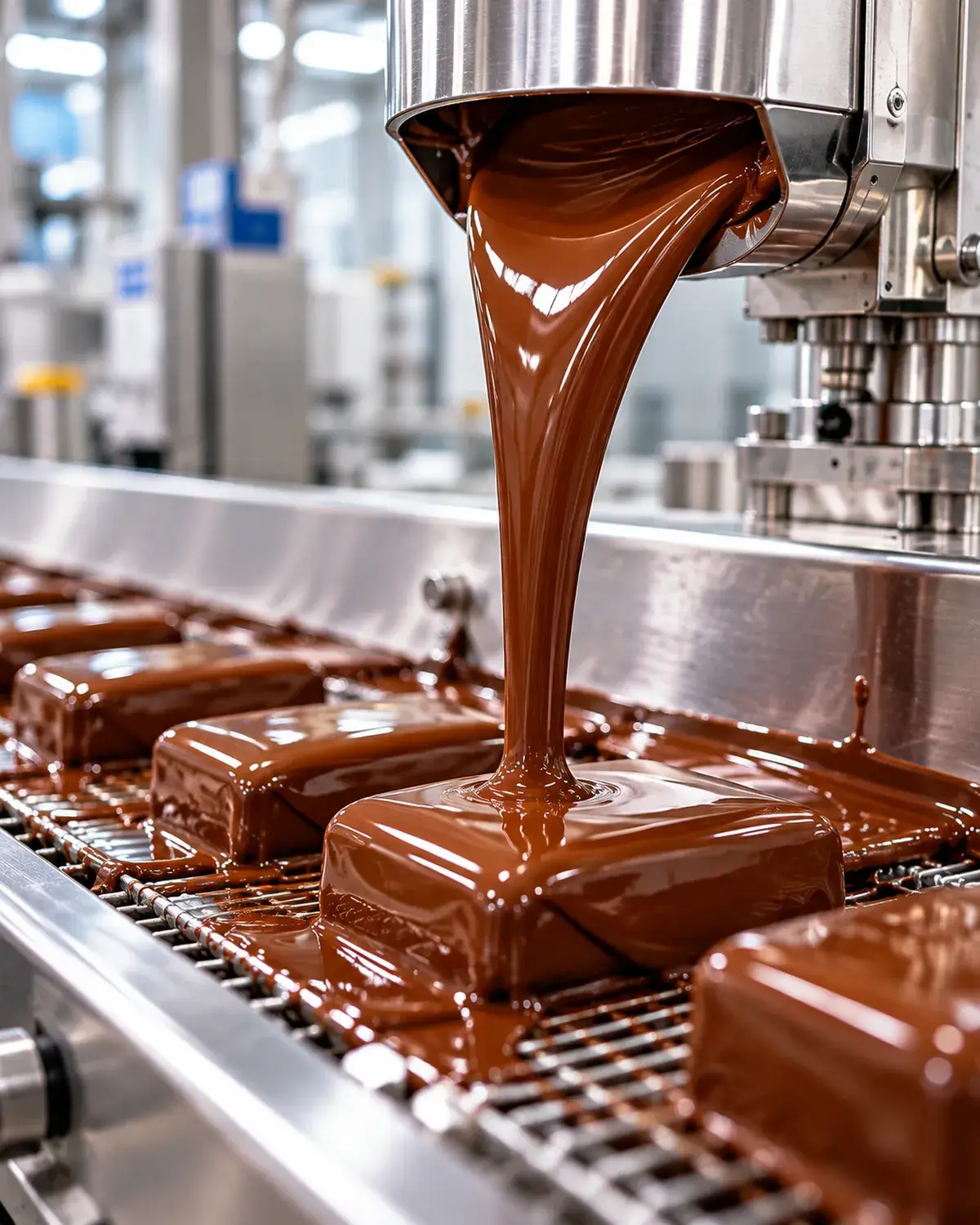
Confectionery Coatings & FillingsCan be evaluated in permitted fat-based confectionery coatings and fillings where emulsification, ingredient dispersion and processing consistency are important. Effects on viscosity, texture and shelf stability depend on the complete formulation.
-
Emulsifier Blends & HLB AdjustmentWith a typical HLB of 4.3, Sorbitan Monooleate can be combined with compatible hydrophilic emulsifiers, including Polysorbate 80, to adjust the overall HLB of a formulation. Blend ratios should be selected based on the oil phase, processing conditions and required emulsion properties.
-
Selected Food Processing ApplicationsMay be used in certain permitted food-processing applications where surface activity, ingredient dispersion or emulsion control is required. Suitability and dosage must be established for the specific food category and manufacturing process.
-
★ Food Regulatory & Formulation ConsiderationsE494 / INS 494. Sorbitan Monooleate is listed in international food additive specifications. Permitted food categories, maximum use levels and purity requirements differ across markets. Manufacturers should verify local regulations and the supplied grade’s documentation before commercial use.
For structure, HLB behaviour and comparisons with other sorbitan esters, see the Span 80 technical guide.
Low-HLB W/O Emulsifier
A typical HLB of 4.3 supports its use in selected water-in-oil emulsions and fat-continuous formulation systems.
Liquid at Room Temperature
Its viscous liquid form allows convenient pumping, pouring and incorporation into compatible formulations without melting solid emulsifier flakes.
Flexible Emulsifier Blending
Can be combined with more hydrophilic emulsifiers to adjust the overall HLB and interfacial behavior of a formulation.
Oil-Phase Compatibility
Oleic acid-derived chains provide affinity for oils and fats, supporting its use in selected lipid-rich food applications.
Storage & Package
-
Storage ConditionsStore Sorbitan Monooleate (E494 / Span 80) in a cool, dry, and well-ventilated area, away from direct sunlight and excessive heat. Keep containers tightly sealed to minimize moisture exposure, oxidation, and contamination. Avoid prolonged exposure to unsuitable storage temperatures that may affect product quality.
-
TransportationTransport in securely sealed, chemical-compatible containers to prevent leakage, contamination, or packaging damage. Follow standard chemical handling procedures and verify the shipping classification against the current Safety Data Sheet (SDS) and applicable transport regulations.
-
Standard PackagingSorbitan Monooleate (E494 / Span 80) is supplied in securely sealed, chemical-compatible containers suitable for liquid surfactants. Depending on product grade and supplier availability, packaging options may include:
- 25 kg — PE Drum
- 200 kg — Drum
- 1000 kg — IBC Tote
-
★ Packaging & Shipping InformationConfirm Before Ordering. Packaging availability, net weight, storage recommendations, and shipping requirements may vary by supplier and product grade. Please contact us for current packaging options, Technical Data Sheet (TDS), Safety Data Sheet (SDS), and shipment details.

25 Kg /drum

200kg/drum