Overview
-
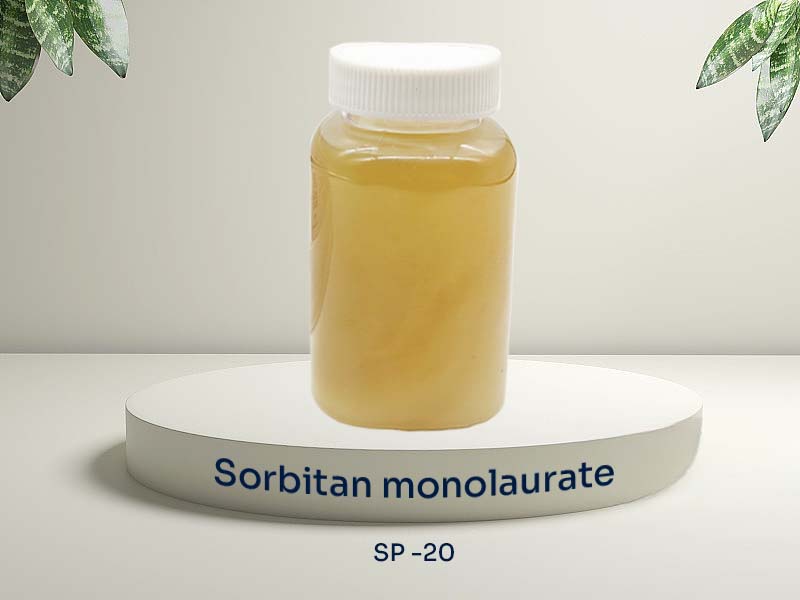
Chemical IdentitySorbitan Monolaurate, E493 (INS 493), CAS 1338-39-2, Span 20. A nonionic surfactant derived from lauric acid and sorbitol-based polyols.
-
Appearance & PropertiesAmber to yellowish viscous liquid | Typical HLB: 8.6
-
★ Primary Application (Food Emulsification)Emulsification & Fat-Phase Stabilization. Sorbitan Monolaurate is used as a food emulsifier in permitted applications. Its intermediate HLB supports interfacial activity and makes it a useful component of emulsifier blends for managing oil–water interactions and selected fat-containing formulations.
-
Chemical NatureA commercial mixture of partial esters formed from lauric acid, sorbitol and its mono- and dianhydrides. The composition includes related ester species rather than one single molecular structure.
-
Key FunctionsEmulsification, Interfacial Stabilization, Fat-Phase Modification & Co-Emulsification.

KOSHER CERTIFICATION

HALAL CERTIFICATION

Quality Certified

ISO 9001
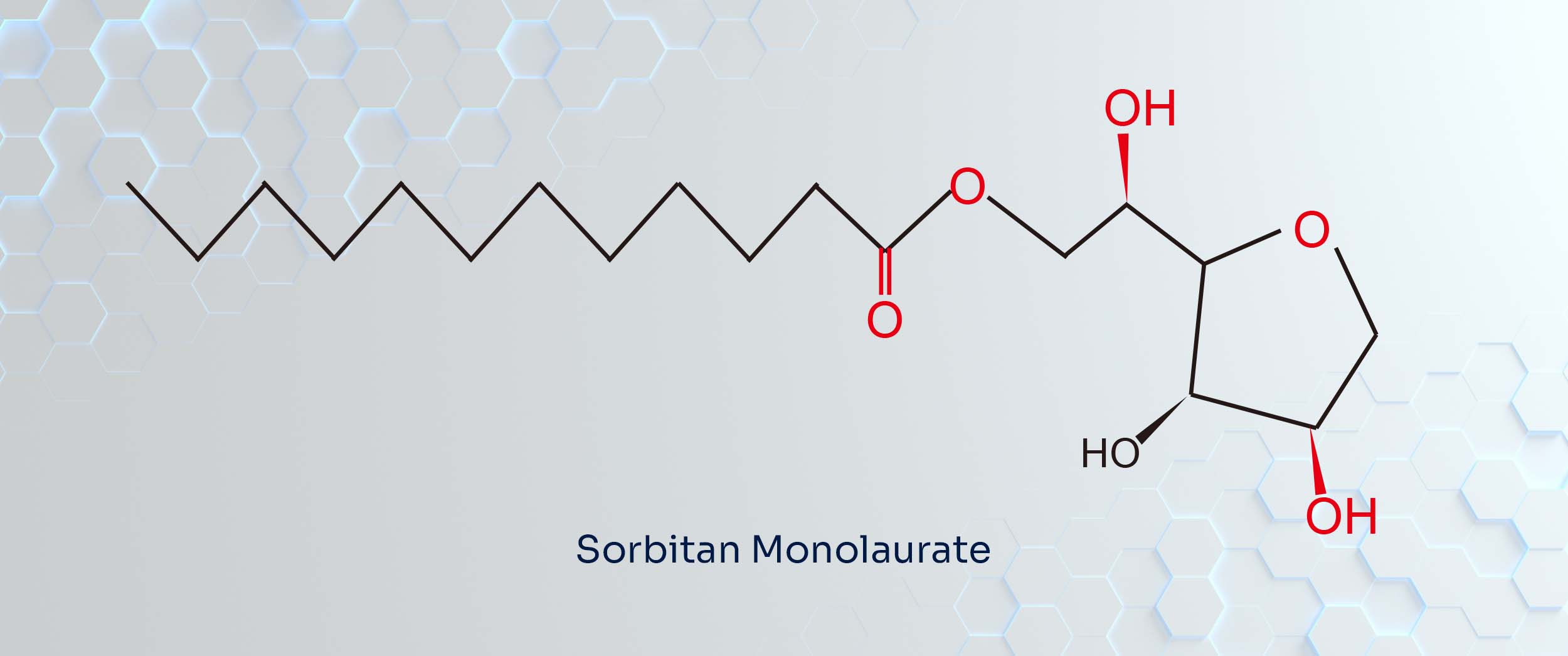
Molecular Structure
-
Structural Components● Hydrophilic Backbone: Sorbitol-derived and anhydrosorbitol-derived structures containing residual hydroxyl groups that contribute to affinity for polar phases.● Hydrophobic Moiety: Lauric acid-derived C12 saturated fatty acid chains attached through ester linkages, providing affinity for oil phases.● Amphiphilic Character: The combination of polar hydroxyl-containing groups and nonpolar fatty acid chains enables adsorption at oil–water interfaces.
-
★ Mechanism of ActionInterfacial Emulsification. Sorbitan Monolaurate adsorbs at oil–water interfaces and can help reduce interfacial tension. It may be combined with more hydrophilic emulsifiers to adjust the overall HLB of a formulation and support emulsion stability under suitable processing conditions.
Structural Note: The molecular diagram illustrates a representative sorbitan monolaurate structure. Commercial E493 consists of a mixture of related partial esters.
Specifications
Product Characteristics
Sorbitan Monolaurate (E493) is a nonionic food emulsifier with a typical HLB value of approximately 8.6. It exhibits affinity for both oil and water interfaces and is generally dispersible rather than freely soluble in water. Its suitability for a specific emulsion system depends on the formulation and processing conditions.
Specification Reference
The parameters below are provided for preliminary product evaluation. Compliance with applicable food additive specifications should be verified using the supplier’s Technical Data Sheet (TDS), batch-specific Certificate of Analysis (COA) and relevant regulatory requirements.
| Test Item | Unit | Minimum Value | Maximum Value |
|---|---|---|---|
| HLB value | —— | 8.6 | |
| Saponification value | mg KOH/g | 155 | 170 |
| Hydroxyl value | mg KOH/g | 330 | 360 |
| Acid value | mg KOH/g | — | 7 |
| Moisture | % | — | 1.5 |
| Fatty acid content | w% | 56 | 68 |
| Polyol content | w% | 36 | 49 |
| Ash residue (on ignition) | w% | — | 0.5 |
| Sulfur (S) | mg/kg | — | 3 |
| Lead (Pb) | mg/kg | — | 2 |
Applications
-
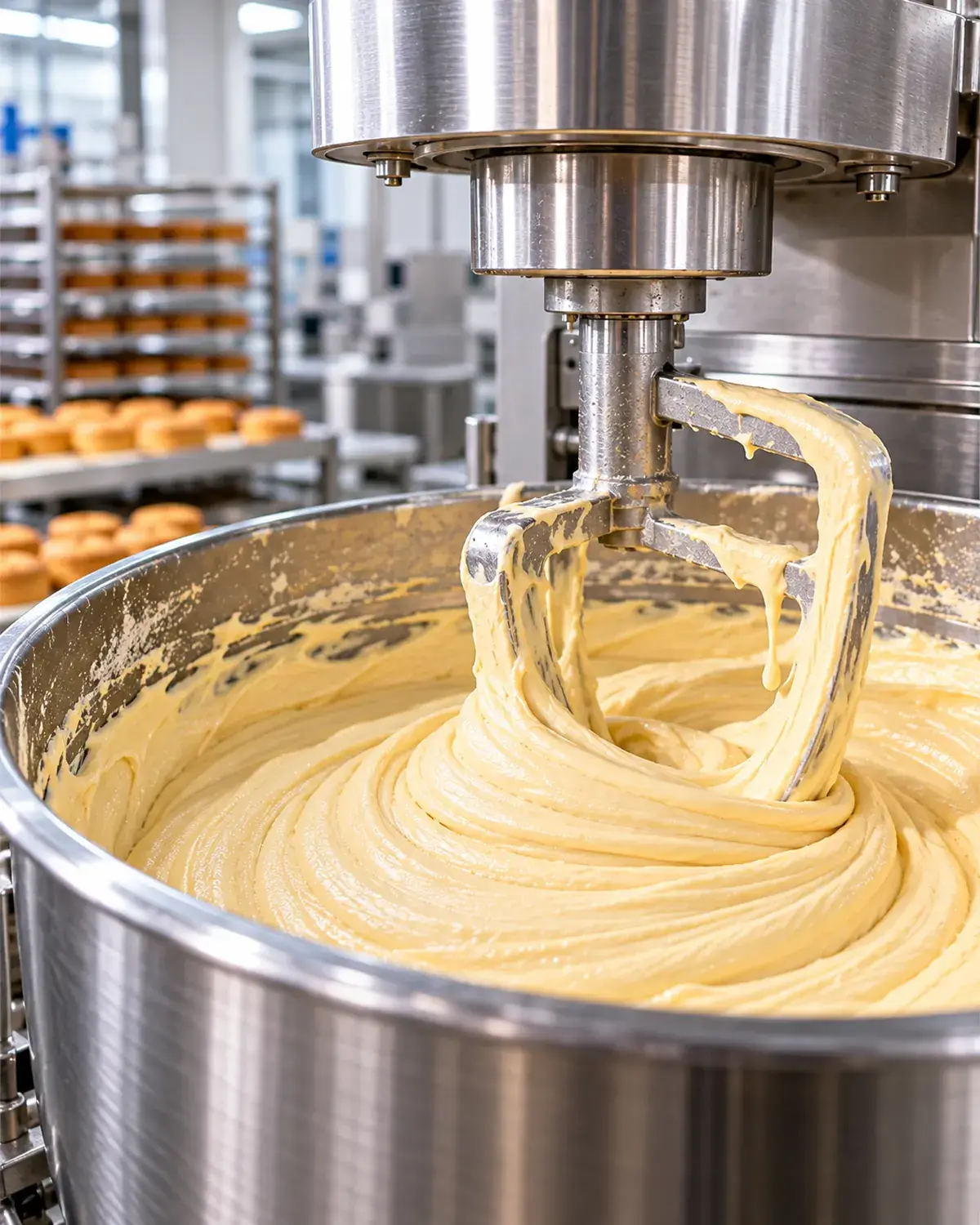
Bakery Products & Fine Baked GoodsSorbitan Monolaurate can be evaluated as an emulsifying component in permitted bakery applications, including selected fine baked goods and bakery premixes. It may help manage fat dispersion and interactions between lipid and aqueous phases. Finished-product texture and processing performance depend on the complete recipe.
-
Fat-Based Emulsions & ToppingsMay contribute to emulsification and fat-phase management in selected spreads, toppings, coatings and related fat-containing formulations. It can also be combined with compatible emulsifiers to obtain the required hydrophilic–lipophilic balance.
-
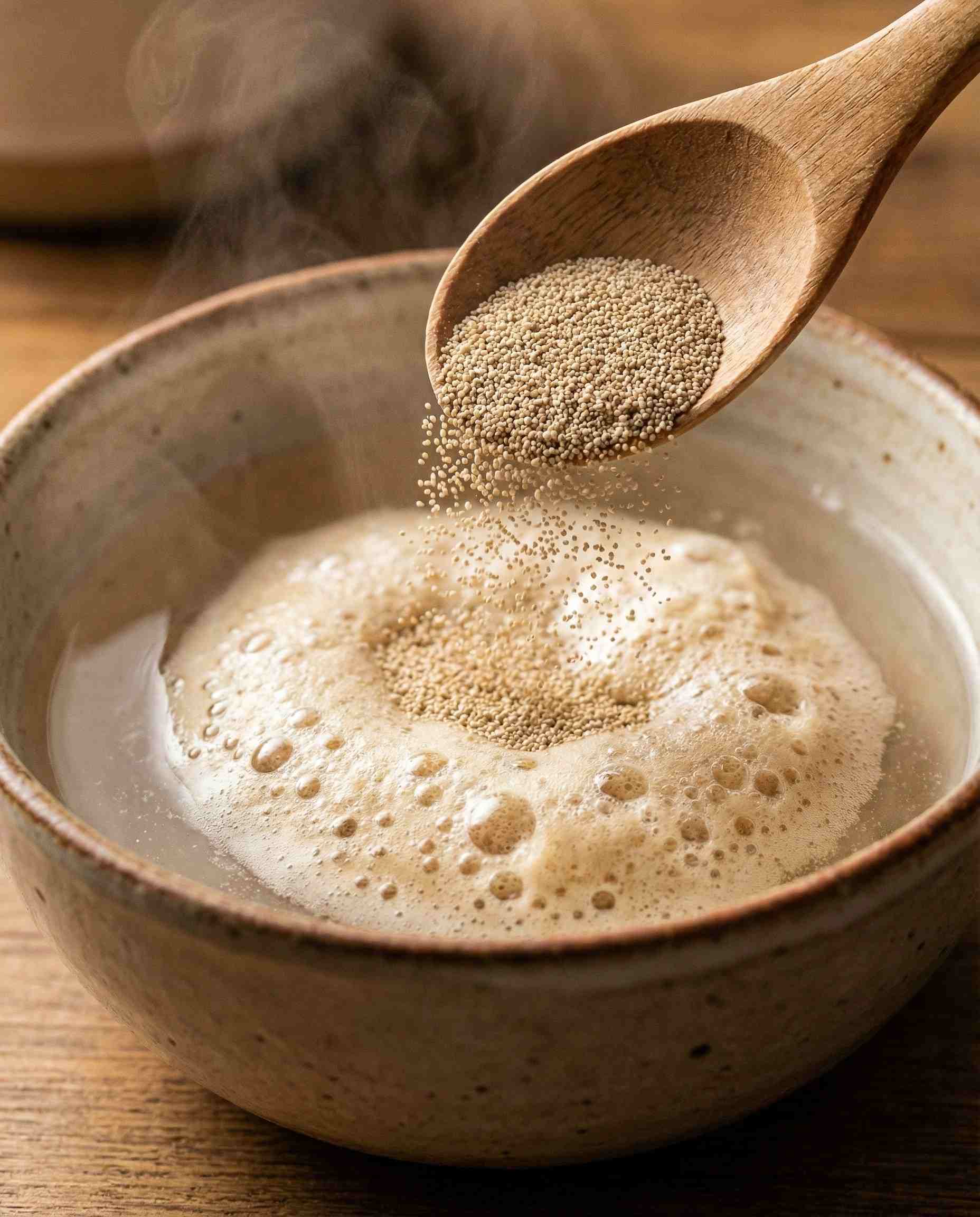
Yeast & Bakery Ingredient SystemsCan be considered for selected dry yeast and bakery ingredient formulations where emulsification or surface-active properties are required. Any effect on yeast viability, storage stability or rehydration performance must be confirmed through product-specific testing.
-
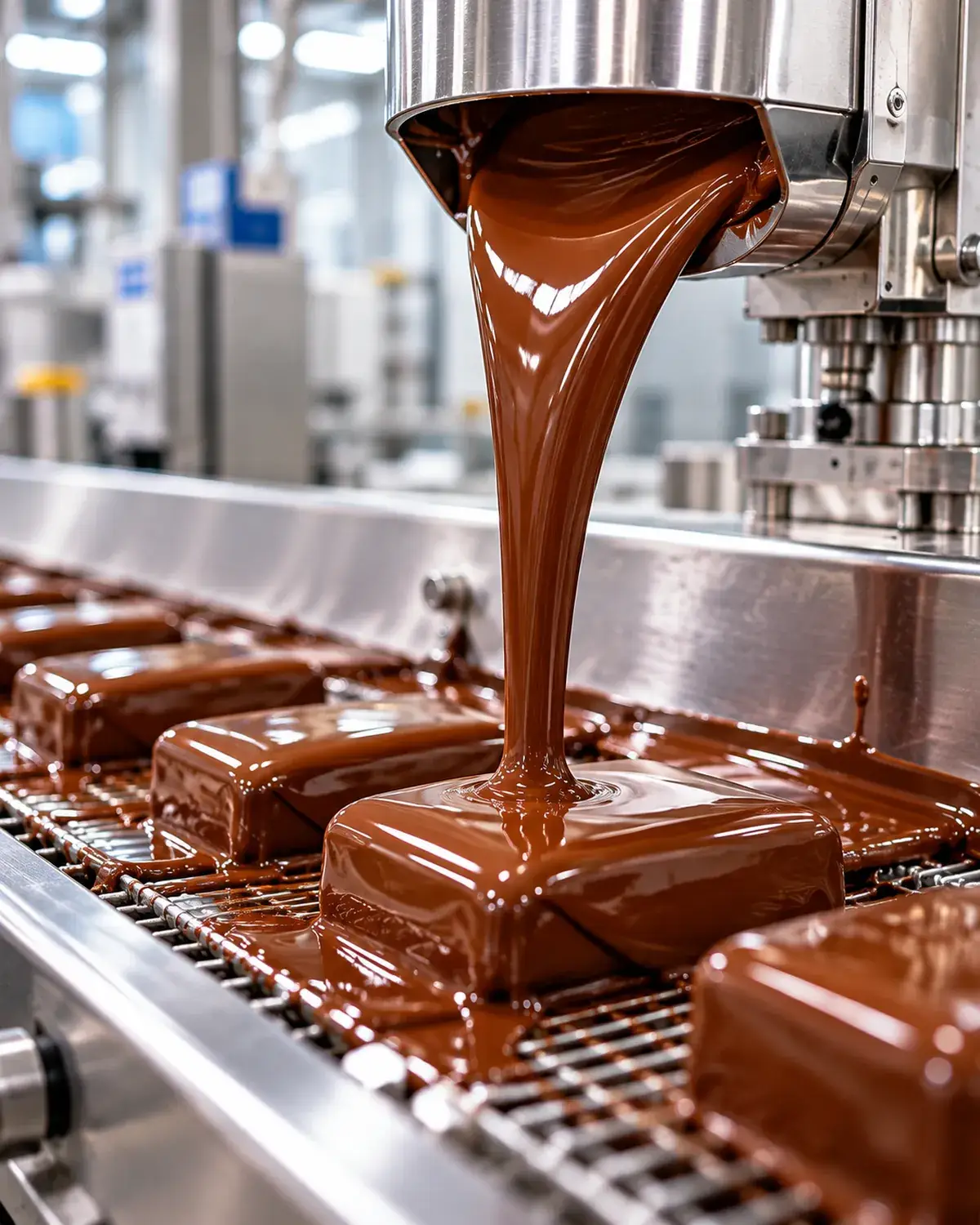
Confectionery & Dessert FormulationsIn permitted confectionery and dessert categories, Sorbitan Monolaurate may be used to support emulsification and the distribution of fat-containing ingredients. Performance should be assessed according to the desired texture, processing conditions and shelf-life requirements.
-
★ Food Regulatory & Formulation ConsiderationsE493 / INS 493. Sorbitan Monolaurate is recognized within food additive regulatory frameworks, but authorization is specific to food categories, jurisdictions and permitted use levels. Manufacturers should confirm the applicable requirements and the supplied grade’s compliance before commercial use.
Intermediate HLB (8.6)
A typical HLB of 8.6 makes Sorbitan Monolaurate a useful component for adjusting the balance of compatible emulsifier systems.
Food Emulsification
Supports interfacial activity and fat dispersion in selected food formulations where E493 is permitted.
Fat-Phase Compatibility
Lauric acid-derived ester groups provide affinity for oil phases, making the ingredient suitable for evaluation in fat-containing systems.
Flexible Emulsifier Blending
Can be combined with more hydrophilic emulsifiers to tailor the HLB and performance of a formulation.
Storage & Package
-
Storage ConditionsStore Sorbitan Monolaurate (Span 20) in a cool, dry, and well-ventilated area, away from direct sunlight and excessive heat. Keep containers tightly sealed when not in use to minimize moisture exposure and contamination.
-
TransportationTransport in securely sealed containers to prevent leakage, damage, or contamination. Follow standard chemical handling procedures and verify the shipping classification against the current Safety Data Sheet (SDS) and applicable transport regulations.
-
Standard PackagingSorbitan Monolaurate is supplied in securely sealed, chemical-compatible containers. Available packaging options may include:
- 25 kg — PE Drum
- 200 kg — Drum
- 1000 kg — IBC Tote

25 Kg /drum

200kg/drum