
Tag: Polysorbate 80

Insights on food emulsifiers—applications, functions, and benefits to improve stability, texture, and quality across industries.

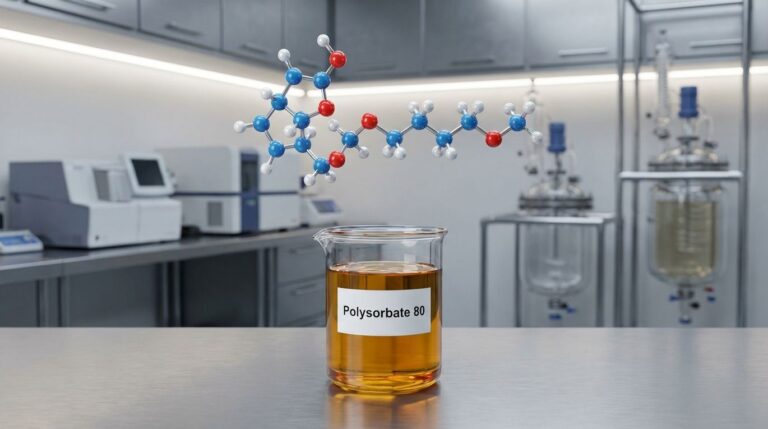
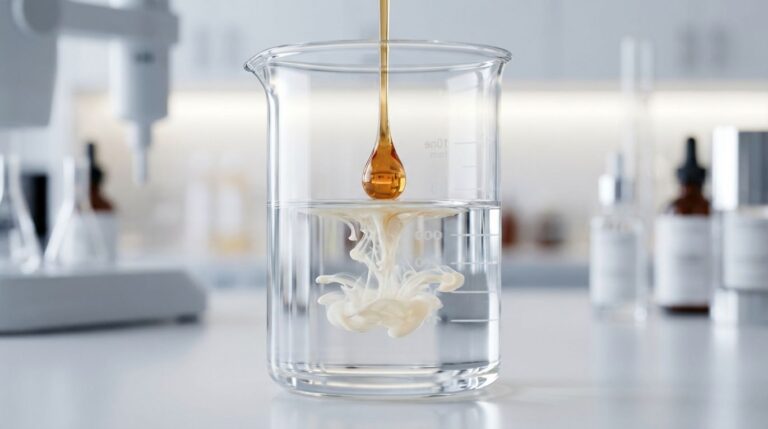
Polysorbate 80 (Tween 80, E433) stands as a cornerstone non-ionic surfactant in B2B formulations, enabling stable oil-in-water (O/W) emulsions across food, pharmaceuticals, and cosmetics industries. With its high HLB value of 15.0, it excels in solubilizing hydrophobic actives, enhancing texture, and ensuring product stability, making it indispensable for high-performance applications like ice cream overrun control and vaccine stabilization.

Technical Profile and Applications
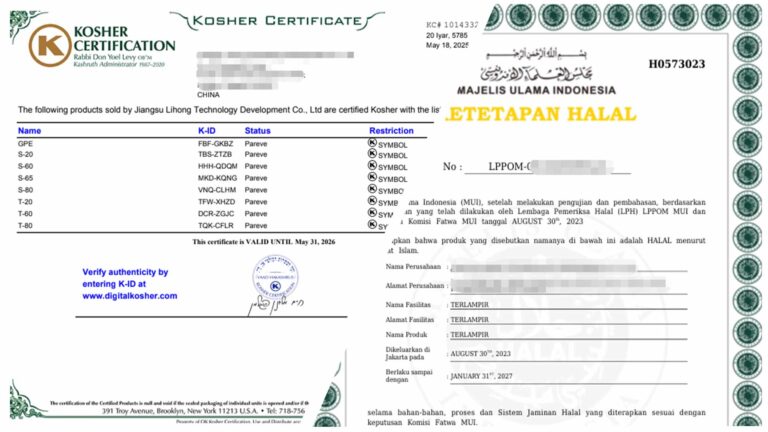
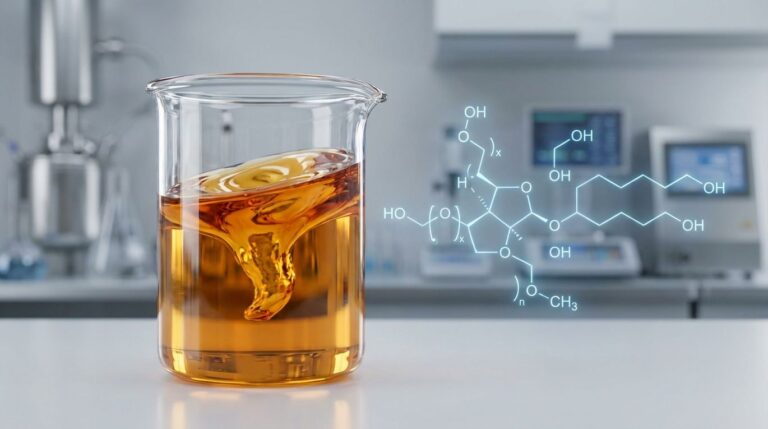
Derived from polyethoxylated sorbitan and oleic acid, Polysorbate 80 offers superior emulsification, wetting, and dispersion properties. It is water-soluble, vegan-certified (plant-based oleic acid sources), gluten-free, and compliant with Halal/Kosher standards. Key specifications include: viscosity of 300–500 mPa·s at 25°C, density 1.08 g/cm³, and GRAS status by FDA (21 CFR 172.840) with ADI 0–25 mg/kg bw per EFSA.

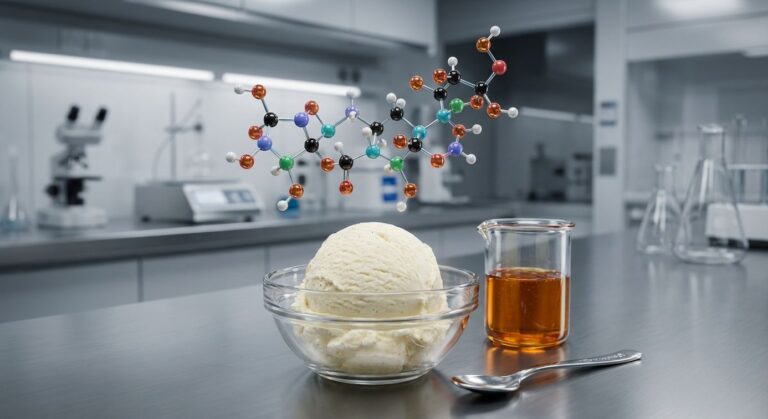
Food & Beverage: Prevents fat coalescence in ice cream (0.1–0.2% dosage), stabilizes condiments and brines for uniform flavor dispersion.
Pharma/Biotech: Solubilizes APIs in injectables and stabilizes protein formulations.
Cosmetics: Emulsifies oils in cleansers and shampoos, improving spreadability and scalp cleansing.

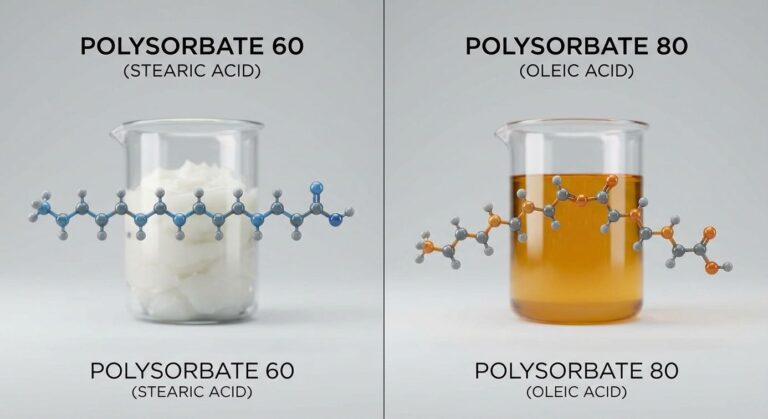
Unlike Polysorbate 60 (HLB 14.9, saturated chains), its unsaturated oleic acid chain provides better liquidity for liquid systems.

Procure Premium Polysorbate 80
Contact our experts for technical data sheets, custom blends, and bulk quotes to optimize your formulations with compliant, high-purity Polysorbate 80.

/

April 23, 2026

The complete technical resource for Polysorbate 80 in food manufacturing. Learn FDA usage limits for dairy, baking, sauces, and industrial processing

/

March 25, 2026

Is Polysorbate 80 halal, kosher, or vegan? Learn about certification for Span and Tween emulsifiers, plant-based origins, and safety for global food and cosmetic compliance.

/

March 16, 2026

A comprehensive technical guide to Polysorbate 80 (E433). Explore its roles in food & cosmetics, safety research on gut health, and Vegan/Halal/Kosher status.

/

February 13, 2026

Unlock premium ice cream texture with Polysorbate 80. Our guide covers fat destabilization, overrun control, and synergistic blends for formulators.

/

February 13, 2026

Learn to formulate high-performance oil cleansers with Polysorbate 80. Our guide covers HLB science, recipes, and safety for B2B cosmetic development.

/

February 13, 2026

Explore the benefits of Polysorbate 80 in shampoo and hair care. Learn how this key emulsifier and surfactant improves stability and texture for formulators.

/

February 13, 2026

Technical guide to Polysorbate 80 (E433). Explore specs, uses in food & pharma, and regulatory data. Source high-purity emulsifiers from foodemul.com.

/

February 11, 2026

Compare Polysorbate 60 vs 80. Learn the key differences in HLB, solubility, and structure to choose the right emulsifier for your food or cosmetic product.

/

February 6, 2026

Discover a complete list of foods with Polysorbate 80. Learn about its role in ice cream, safety for gut health, and if it’s vegan-friendly.

/

February 5, 2026

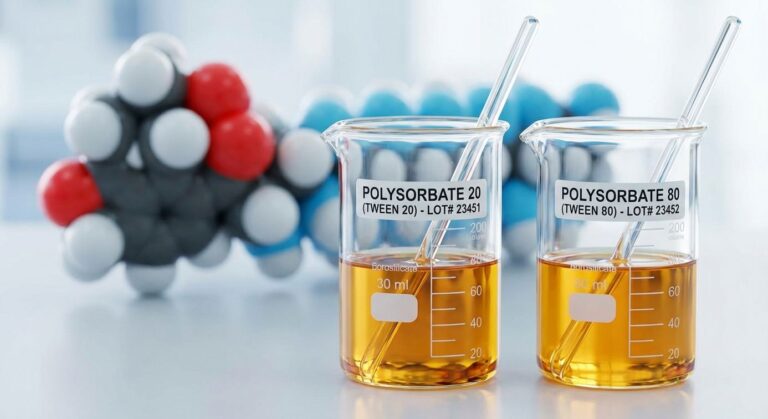
Compare Polysorbate 20 vs 80. Learn the differences in HLB values, chemical structure (Lauric vs Oleic acid), and when to use each for solubilization.

/

January 19, 2026

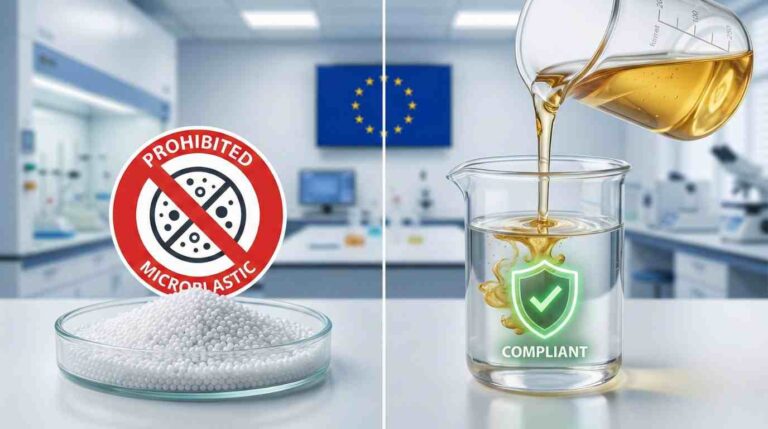
Worried about the EU microplastic ban? Polysorbate 20, 60, and 80 are NOT considered microplastics under ECHA REACH definitions. Learn why they are exempt based on solubility and biodegradability.

/

January 14, 2026

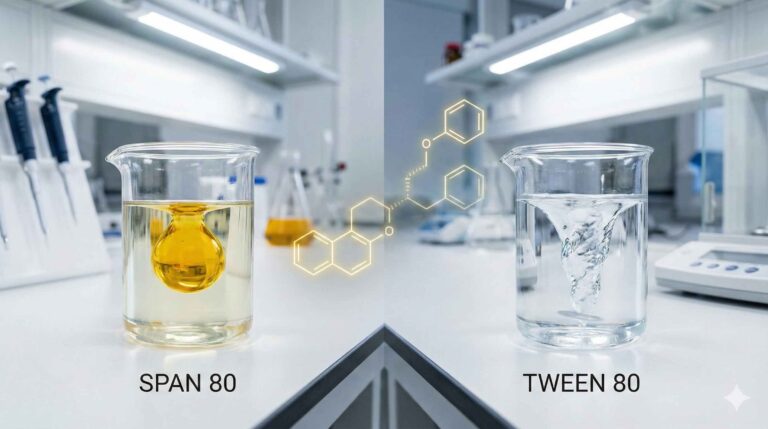
While both originate from sorbitan, Span 80 and Tween 80 serve opposite functions. Discover the key differences in chemical structure, HLB values, and the molecular mechanisms that determine their solubility