Tag: Solubilization

Insights on food emulsifiers—applications, functions, and benefits to improve stability, texture, and quality across industries.

Solubilization: Enhancing Formulation Stability in B2B Applications
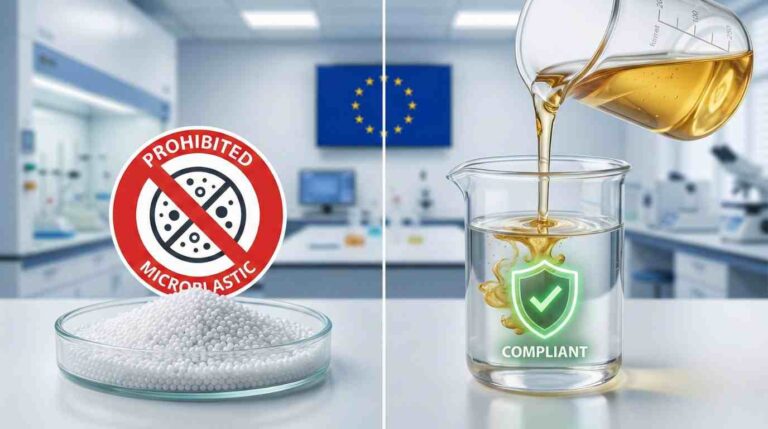
In the competitive landscape of chemical manufacturing, solubilization is pivotal for integrating hydrophobic actives into aqueous systems, ensuring product efficacy and compliance. Our Polysorbate portfolio, including Polysorbate 20 (Tween 20, E432) and Polysorbate 80 (Tween 80, E433), excels as non-ionic surfactants, enabling clear emulsions in food, cosmetics, and pharmaceuticals while adhering to FDA, EFSA, and REACH standards.Technical Properties and Applications
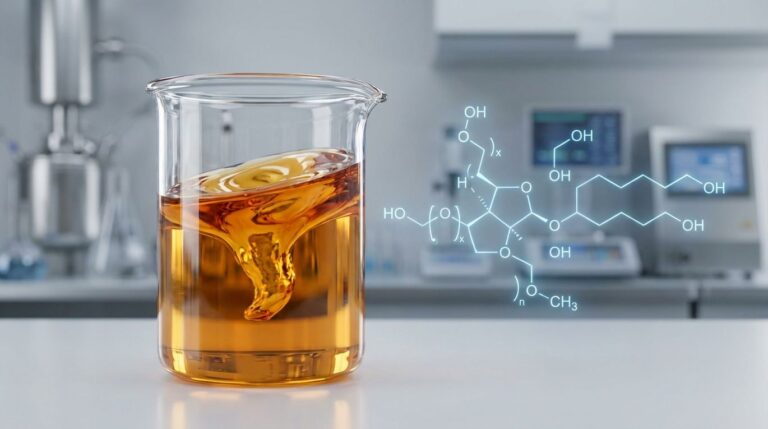
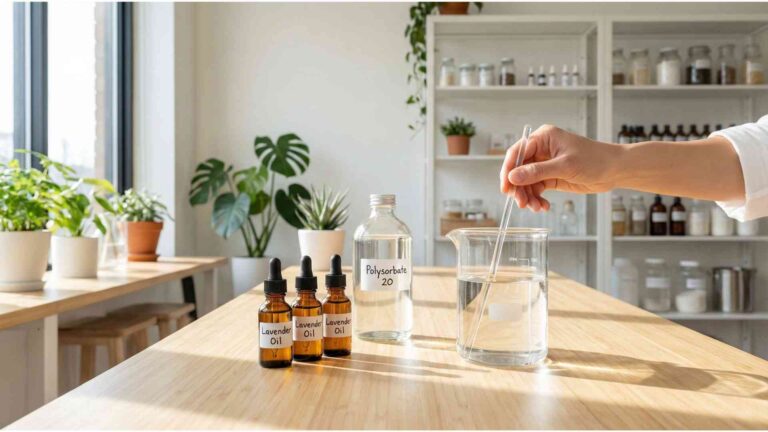
Polysorbate 20, with a high HLB value of 16.7, offers superior water solubility for light essential oils and fragrances, forming micelles at a low CMC of 0.06 mM for efficient dispersion in shampoos and beverages. Polysorbate 80, at HLB 15.0, targets heavier oils and fats, enhancing texture in ice cream and stabilizing anti-dandruff formulations. Both are vegan-derived from plant sources (e.g., coconut laurate), biodegradable, and exempt from microplastic regulations under ECHA definitions due to their solubility and degradability.

Solubility Profile: Fully miscible in water and ethanol; dispersible in oils.
Key Benefits: Prevents separation, improves shelf life, and ensures regulatory compliance (ADI 25 mg/kg bw per JECFA).
Usage Ratios: 1:1 to 1:5 oil-to-surfactant for optimal clarity.
Partner with us for tailored solubilization solutions, backed by TDS and certifications. Contact our technical team for quotes and formulation support.

/

April 23, 2026

The complete technical resource for Polysorbate 80 in food manufacturing. Learn FDA usage limits for dairy, baking, sauces, and industrial processing

/

April 23, 2026

Master Polysorbate 60 applications in bakery, dairy, and confectionery. Explore technical functions and FDA usage limits in this expert guide. Learn more today.

/

February 13, 2026

Get a complete Polysorbate 20 TDS overview. Find key specs, HLB value, solubility, safety, and vegan status for your formulation. Source high-purity Tween 20.

/

February 13, 2026

Is Polysorbate 20 natural? Get the technical verdict. Learn how it’s made, its vegan status, and see how it compares to natural alternatives for formulators.

/

February 13, 2026

Explore the benefits of Polysorbate 80 in shampoo and hair care. Learn how this key emulsifier and surfactant improves stability and texture for formulators.

/

January 20, 2026

Master the “Golden Ratios” for Polysorbate 20. Learn how to solubilize essential oils for crystal-clear sprays and toners. Step-by-step mixing guide included.

/

January 19, 2026

Worried about the EU microplastic ban? Polysorbate 20, 60, and 80 are NOT considered microplastics under ECHA REACH definitions. Learn why they are exempt based on solubility and biodegradability.

/

January 9, 2026

Polysorbate 80 is widely used as an emulsifier and solubilizer to improve texture, stability, and consistency in food and cosmetic formulations. Learn why manufacturers rely on it.

/

November 10, 2025

Get fast, practical dosage targets for polysorbate 80 (E433) across major food categories. This guide translates percent vs. ppm, flags regulatory caveats, and gives hands-on tips for order of addition, temperature, and mixing—plus quick troubleshooting for separation, haze, soapy notes, and foam.

/

October 5, 2025

Discover Polysorbate 20’s properties, benefits, and applications as a key emulsifier and solubilizer in various industries, including safety insights.