
Tag: Cosmetic Formulation

Insights on food emulsifiers—applications, functions, and benefits to improve stability, texture, and quality across industries.

Cosmetic Formulation: Precision Emulsifiers for Superior Product Stability
In the competitive landscape of cosmetic formulation, non-ionic emulsifiers like Polysorbates and Sorbitan Esters are indispensable for creating stable, high-performance oil-in-water (O/W) and water-in-oil (W/O) emulsions. These versatile surfactants ensure seamless integration of oils, actives, and water phases, enhancing texture, spreadability, and shelf-life while meeting stringent regulatory standards such as EU E-numbers (e.g., E433 for Polysorbate 80) and FDA GRAS status.Key Technical Properties and Applications
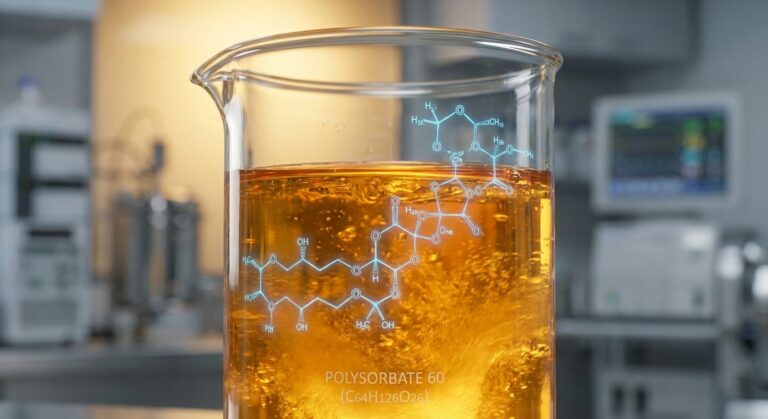
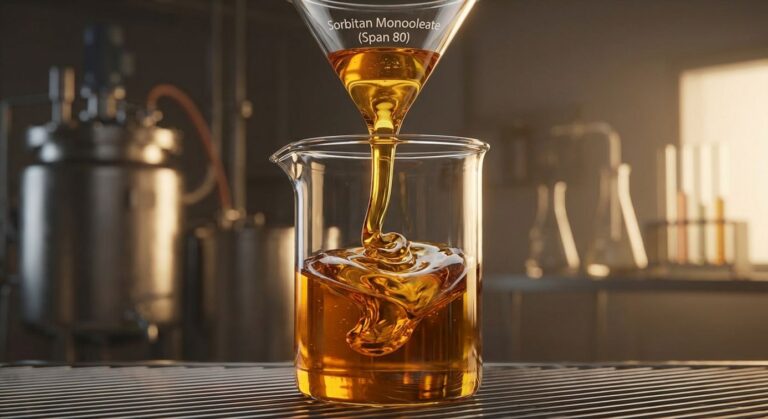
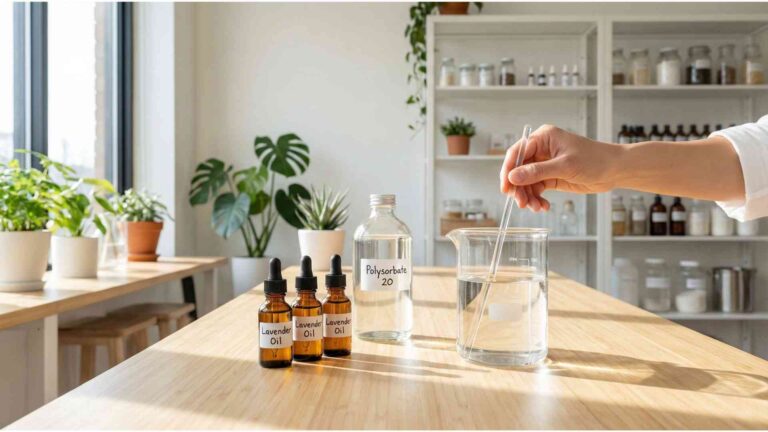
Polysorbate 80 (Tween 80, HLB 15.0), derived from sorbitol and oleic acid, excels in solubilizing essential oils and fragrances in cleansers, shampoos, and lotions, preventing phase separation and boosting rinseability. Polysorbate 20 (HLB 16.7) offers mild solubilization for fragrance emulsions in toners and sprays, while Polysorbate 60 (HLB 14.9) stabilizes creamy textures in conditioners. Sorbitan Monooleate (Span 80, HLB 4.3) supports W/O systems in heavy creams, providing occlusive barriers and low-temperature fluidity.

Stability Benefits: Low interfacial tension reduces droplet coalescence; compatible with pH 3-12 and electrolytes.
Applications: Oil cleansers (10-15% usage), anti-dandruff shampoos, makeup removers, and lotions for non-comedogenic, vegan-compliant formulations (Kosher/Halal certified options available).
Safety Profile: CIR-approved, non-irritating at <10%; minimizes 1,4-dioxane via high-purity sourcing.
Partner with us for bulk Polysorbate and Span series supply, backed by TDS, SDS, and COA. Contact our experts to optimize your cosmetic formulation needs today.

/

February 13, 2026

Learn to formulate high-performance oil cleansers with Polysorbate 80. Our guide covers HLB science, recipes, and safety for B2B cosmetic development.

/

February 13, 2026

Explore the benefits of Polysorbate 80 in shampoo and hair care. Learn how this key emulsifier and surfactant improves stability and texture for formulators.

/

February 13, 2026

Technical guide to Polysorbate 80 (E433). Explore specs, uses in food & pharma, and regulatory data. Source high-purity emulsifiers from foodemul.com.

/

February 11, 2026

Get a science-backed review of Polysorbate 60 safety. We cover FDA/EFSA status, toxicity data, and potential side effects for your formulation needs.

/

February 11, 2026

Master Polysorbate 60 (Tween 60) formulation. Explore its HLB 14.9 properties, chemical structure, and versatile uses in food and cosmetic emulsions.

/

February 10, 2026

Discover the benefits of Sorbitan Esters (Span Series) in cosmetic formulations. Learn about HLB balance, non-ionic stability, and cold-process emulsification.

/

February 10, 2026

High-purity Sorbitan Monooleate (Span 80) for food, cosmetic, and industrial use. Explore HLB values, E494 compliance, and procurement options. Request a quote today.

/

February 9, 2026

Discover the technical specs, applications, and sourcing for Polysorbate 20 (Tween 20). High-purity E432 for food, cosmetics, and industrial use. Request a quote today.

/

January 20, 2026

Master the “Golden Ratios” for Polysorbate 20. Learn how to solubilize essential oils for crystal-clear sprays and toners. Step-by-step mixing guide included.

/

January 11, 2026

Searching for ‘Polysorbate 80 what is it?’ This guide covers its definition, uses in ice cream and cosmetics, E433 safety facts (FDA), and the key differences between Tween 20 vs 80

/

January 8, 2026

Polysorbate 80 is a common food and cosmetic additive used in ice cream, desserts, sauces, and personal care products. Learn what it is, where it’s found, and whether it’s safe.

/

November 10, 2025

Polysorbate 80 (E433) is not kosher by default. Verify oleic acid sources, shared equipment risks, and Passover status with this essential buyer’s guide to certification.