
BLOG
Insights on food emulsifiers—applications, functions, and benefits to improve stability, texture, and quality across industries.
Home / Blog
Discover insights into sorbitan esters, polysorbates, and other food emulsifiers. Our blog shares technical knowledge, industry applications, and practical guidance to help food manufacturers and formulators understand ingredient functions and optimize product performance. From bakery and dairy to beverages and sauces, explore how emulsifiers improve stability, texture, and shelf life. Stay updated with trends, case studies, and expert perspectives from the food additive industry.
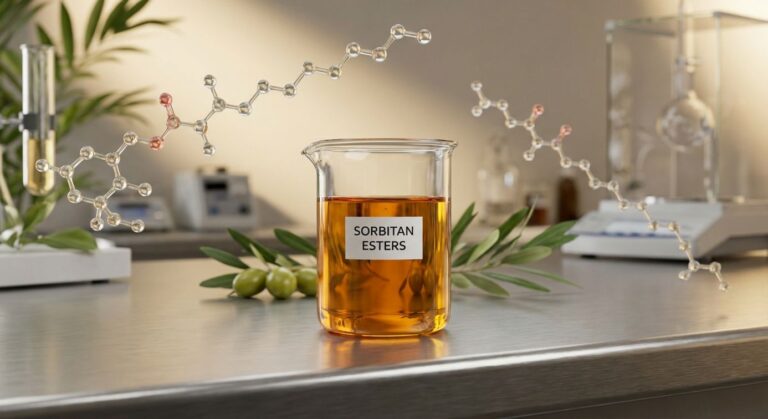
Explore the future of green chemistry with bio-based sorbitan esters. Learn about sustainable production, renewable feedstocks, and eco-friendly applications.
How to choose the right Sorbitan Ester (Span 20, 40, 60, 65, 80, 85) for your formulation. Covers HLB matching, industry-specific recommendations, and Span-polysorbate pairing strategies.
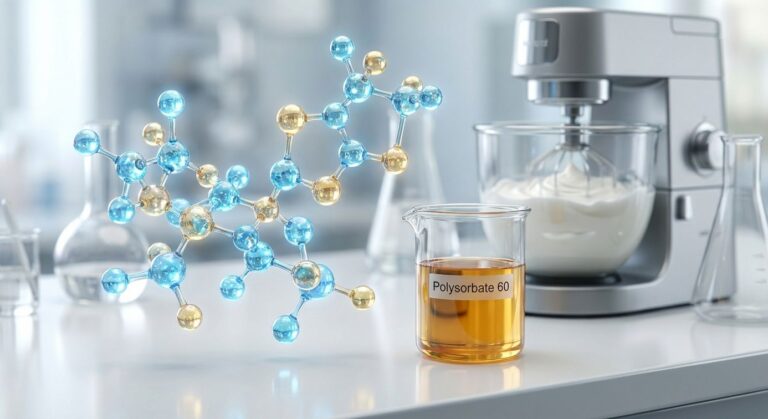
Step-by-step Polysorbate 60 (polysorbate 60) formulation guide: temperature control, blending protocols, emulsification sequences, troubleshooting tips, and storage best practices for food and cosmetic manufacturers.
Get a science-backed review of Polysorbate 60 safety. We cover FDA/EFSA status, toxicity data, and potential side effects for your formulation needs.
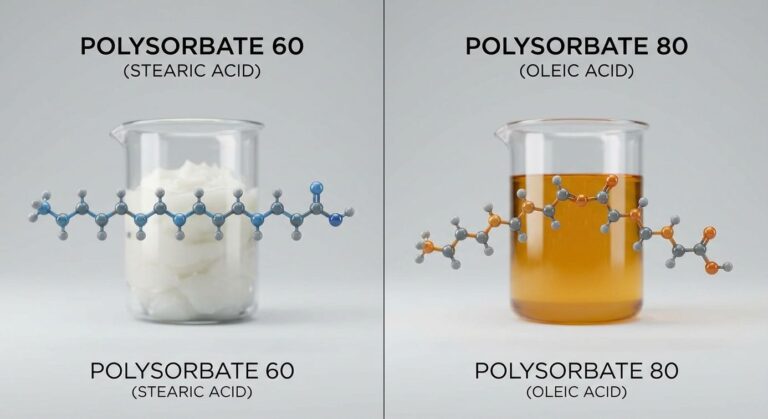
Compare Polysorbate 60 vs 80. Learn the key differences in HLB, solubility, and structure to choose the right emulsifier for your food or cosmetic product.
Compare the top 5 polysorbate 60 and 80 substitutes by application: lecithin for clean label, Span 60 or Span 80 blends for aeration, DATEM for baking, cetearyl glucoside for cosmetics, PEG-100 stearate for industrial use. GB 25553 food-grade specs included.
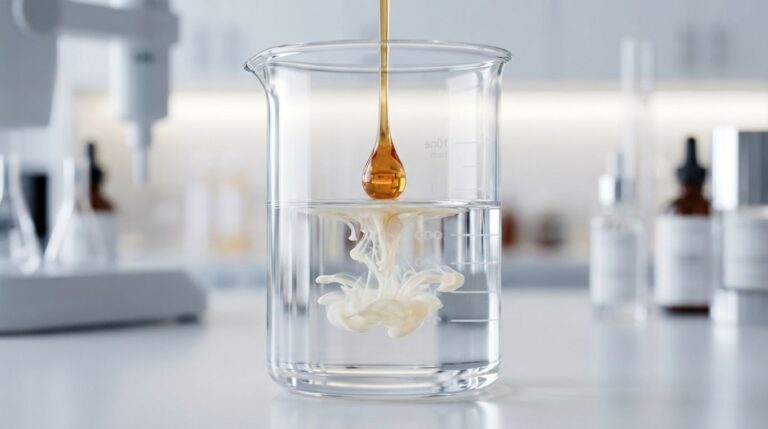
Learn to formulate high-performance oil cleansers with Polysorbate 80. Our guide covers HLB science, recipes, and safety for B2B cosmetic development.
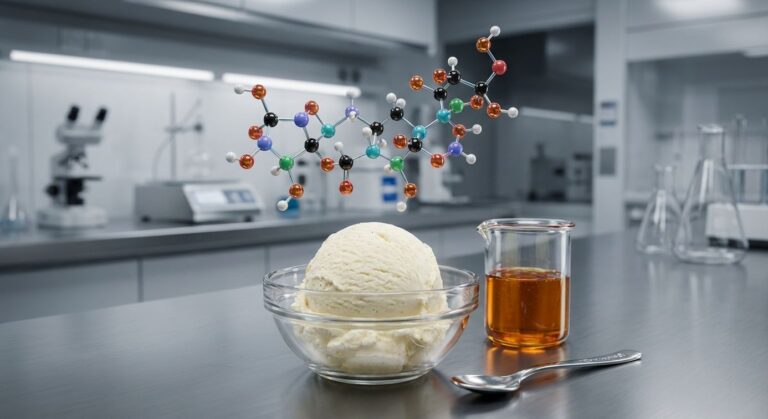
Unlock premium ice cream texture with Polysorbate 80. Our guide covers fat destabilization, overrun control, and synergistic blends for formulators.
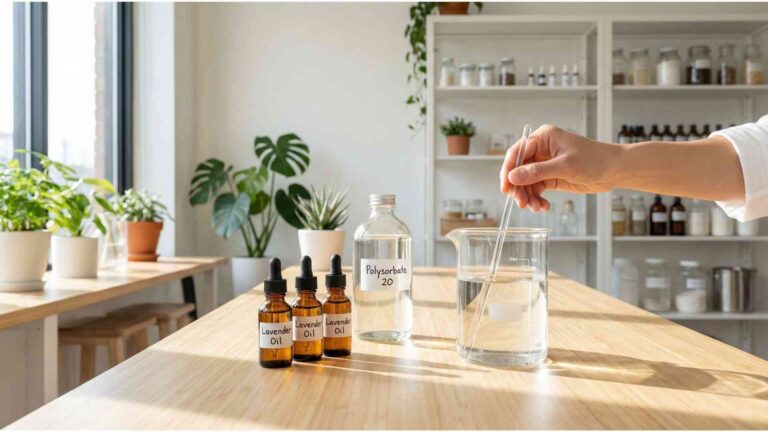
Master the “Golden Ratios” for Polysorbate 20. Learn how to solubilize essential oils for crystal-clear sprays and toners. Step-by-step mixing guide included.
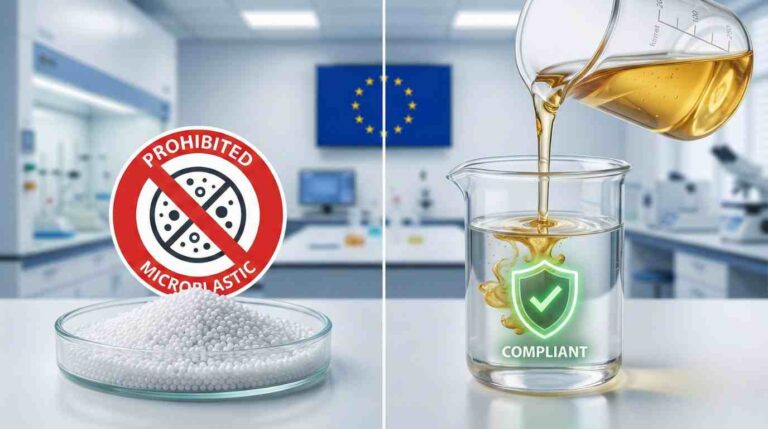
Worried about the EU microplastic ban? Polysorbate 20, 60, and 80 are NOT considered microplastics under ECHA REACH definitions. Learn why they are exempt based on solubility and biodegradability.
Get a complete Polysorbate 20 TDS overview. Find key specs, HLB value, solubility, safety, and vegan status for your formulation. Source high-purity polysorbate 20.
Is Polysorbate 20 natural? Get the technical verdict. Learn how it’s made, its vegan status, and see how it compares to natural alternatives for formulators.
